About MAURITIUS

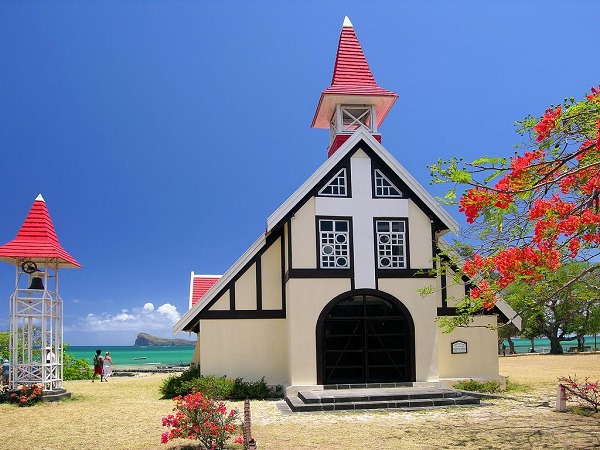
Mauritius is in the Mascareignes archipelago in the Indian Ocean, 2000km south east to the African coast and 900km from Madagascar.  The Mauritian Republic covers the main island Mauritius and the 3 islands of Rodrigues, Saint Brandon and Agalega.  Its capital is Port Louis.

Mauritius gained its independence within the Commonwealth March 12th 1968 and proclaimed itself a Republic on March 12th 1992.  The island covers an area of 1865km² and is of volcanic origin although the volcanoes have been extinct for a long time.

It has a population of 1.3 million.  The inhabitants are Indian, Chinese, African, European and Madagascan; a melting pot of different ethnic groups.  The official language is English, but most of the population speaks either French or Mauritian Creole.

Read More

Tips for Driving in MAURITIUS

Mauritius is a Small Island – Remember that the island is relatively small, just over 60km in length and under 50km across. This is why it is possible to reach all four corners of the island in a day. With that in mind, when planning your journey in Mauritius, you should take into account factors such as the speed limitations, small roads and the heavy traffic during rush hours. Also, while planning your itinerary make sure to leave enough spare time to visit many of the sights, attractions, centers and beautiful viewpoints you encounter along the way.

Driver’s license

Foreigners with a driving license issued by a competent authority in their respective countries are allowed to drive during their stay in Mauritius but before you arrive in Mauritius make sure to check if your country has signed a convention with Mauritius regarding your country’s driving licenses.

Speed limitation

Speed limitations varies depending on road type, they are as follows 40 km/h in agglomerations and 80 km/h on the main open roads and on the Mauritius highway the average speed limitation is 80 km/h and at some parts it is 110 km/h – make sure to follow the speed signs.

Drive on the Left

We drive on the left hand side same as in the United Kingdom whilst priority is for vehicles coming from the right.

Road Signs

All road signs and markings are of International standards.

Rush hour & Heavy Traffic

You are most likely to encounter heavy traffic during peak hours: 07:30am – 09:30am and 15:00pm – 18:00pm. During these times there is heavy traffic mainly in Port Louis area and at the entrances/exits of the main towns.

Mobile Phone Whilst Driving

It is strictly illegal to use a hand held mobile phone when driving.

Road Tolls

There are no road tolls applicable in Mauritius.

Seat Belts

Wearing seat belts is mandatory at any given time for driver and all passengers.

Parking

Free parking is available almost everywhere in Mauritius except in the main towns and city centers.  Important to note that there are paid private parking spaces in every towns and it’s a lot easier to park in these spaces than on the side of the roads as your car might get clamped.

Read More

The WILD SOUTH

The south coast stretches from Mahébourg to the Morne village, swept by the wind and buffeted by the ocean waves giving it a wild unkempt beauty.  Sugarcane fields and waterfalls make up the landscape along this coast together with the authentic little fishing villages.  Wherever there is no protecting coral reef, the waves break directly on the rocks, sometimes filling their cavities and then gushing up to the sky like geysers.

Read More

The POPULAR NORTH

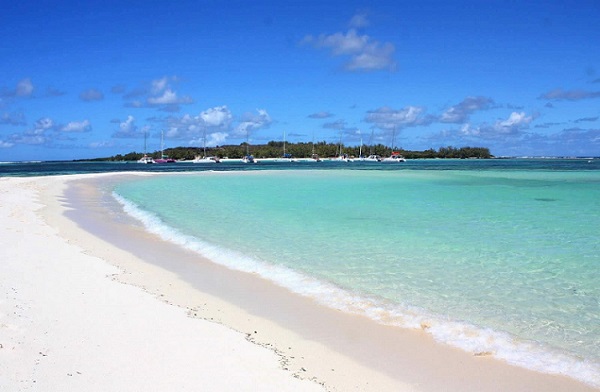
Thanks to its really temperate climate and calm and warm sea, this coast has become one of the island’s main tourist attractions in recent years.  Sand and Black rock alternate to give attractive beaches, which provide all the holiday pleasures of sun, sand and pareos.

Read More

The EAST COAST

Gigantic pink, yellow and orange bougainvilleas grow along the sea front from Pointe de FLacq to Trou D’eau Douce.  This coast is more peaceful than the sea resorts on the north coast and it is an ideal spot for tourists.  Luxury hotels give directly on to the beaches bordered by filao trees and the clear turquoise water of the lagoon stretches for almost 10km.

You can’t miss the coral kilns, curious constructions used by the early settlers to heat the coral to make quick lime used in building as well as fuel in the sugar factories.

Read More

The WEST COAST

On the west coast northbound, you will come to Tamarin, which was once a fishing village but is now a tourist destination particularly popular with surfers.  Tamarin village is well-known for its saltworks which produce around 60,000 tonnes of salt yearly.

Along the west coast another interesting location is Flic en Flac;  a beautiful sandy beach stretching into the distance and whose filao trees provide welcoming shade to Sunday picnickers borders Flic en Flac.  With Wolmar the neighbor town, it is a tourist high spot with a lot of hotels, Villas and Residences.

Read More